Winston-Salem Bird Station
Thursday, September 17, 2026 — 12:14 AM
Raspberry Pi 4 · Ecowitt WittBoy 7-in-1 Weather Station · Cornell Lab BirdNET-Pi Acoustic Recognition
Questions or feedback: [email protected]
Project History
From garden sensors to bird songs
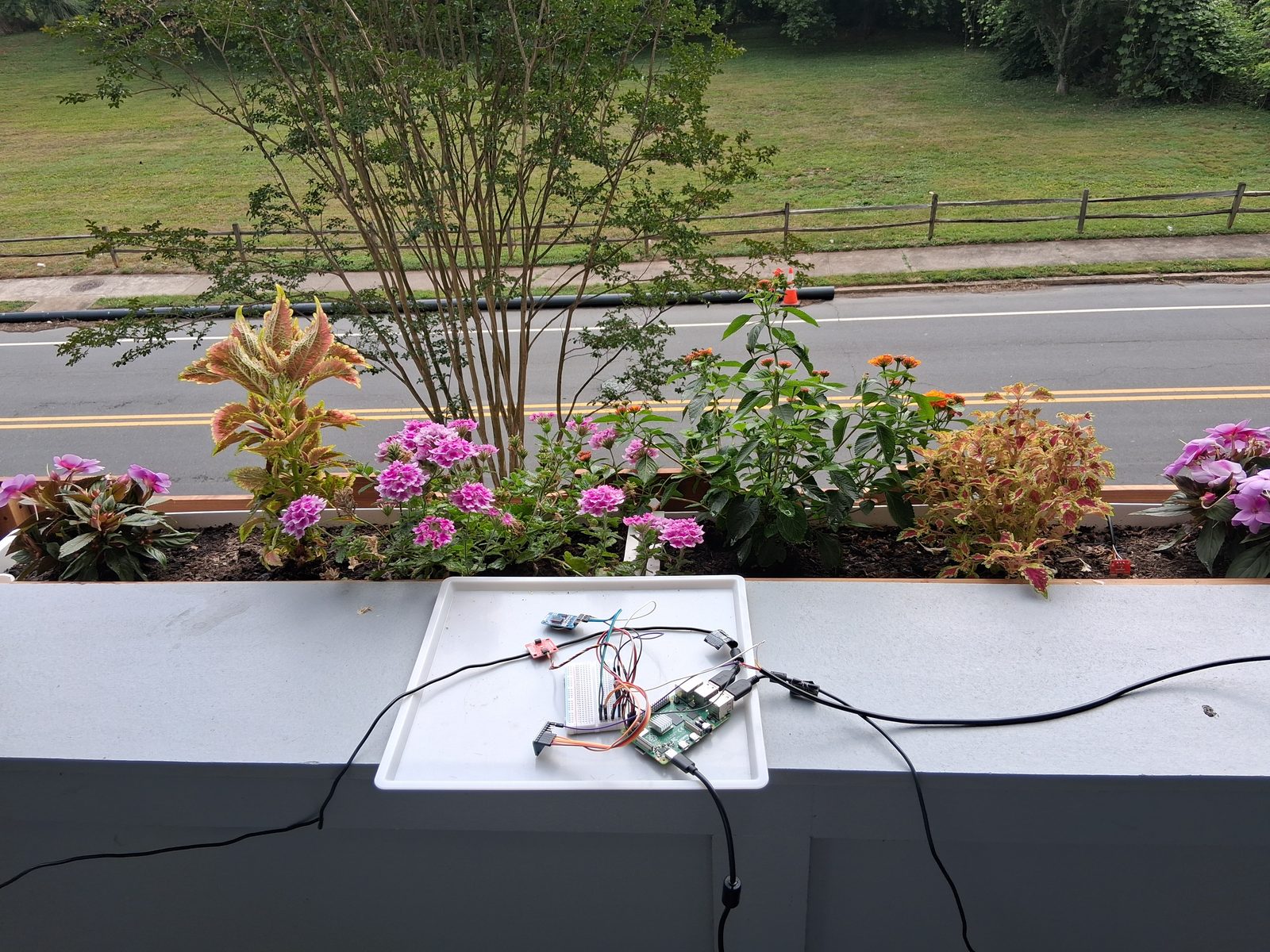
Where it started: garden monitoring
Long before there was a bird station, there was a flower box. This Raspberry Pi setup started as a garden monitor — a Qwiic soil moisture sensor, a BME280 for temperature and humidity (connected via a Qwiic Shim), an ADS1115 analog-to-digital converter, and a DS3231 real-time clock (honestly overkill for this project), all feeding a Grafana dashboard so I could keep an eye on my plants without walking outside. The whole thing ran off a Jackery 300 portable power station.
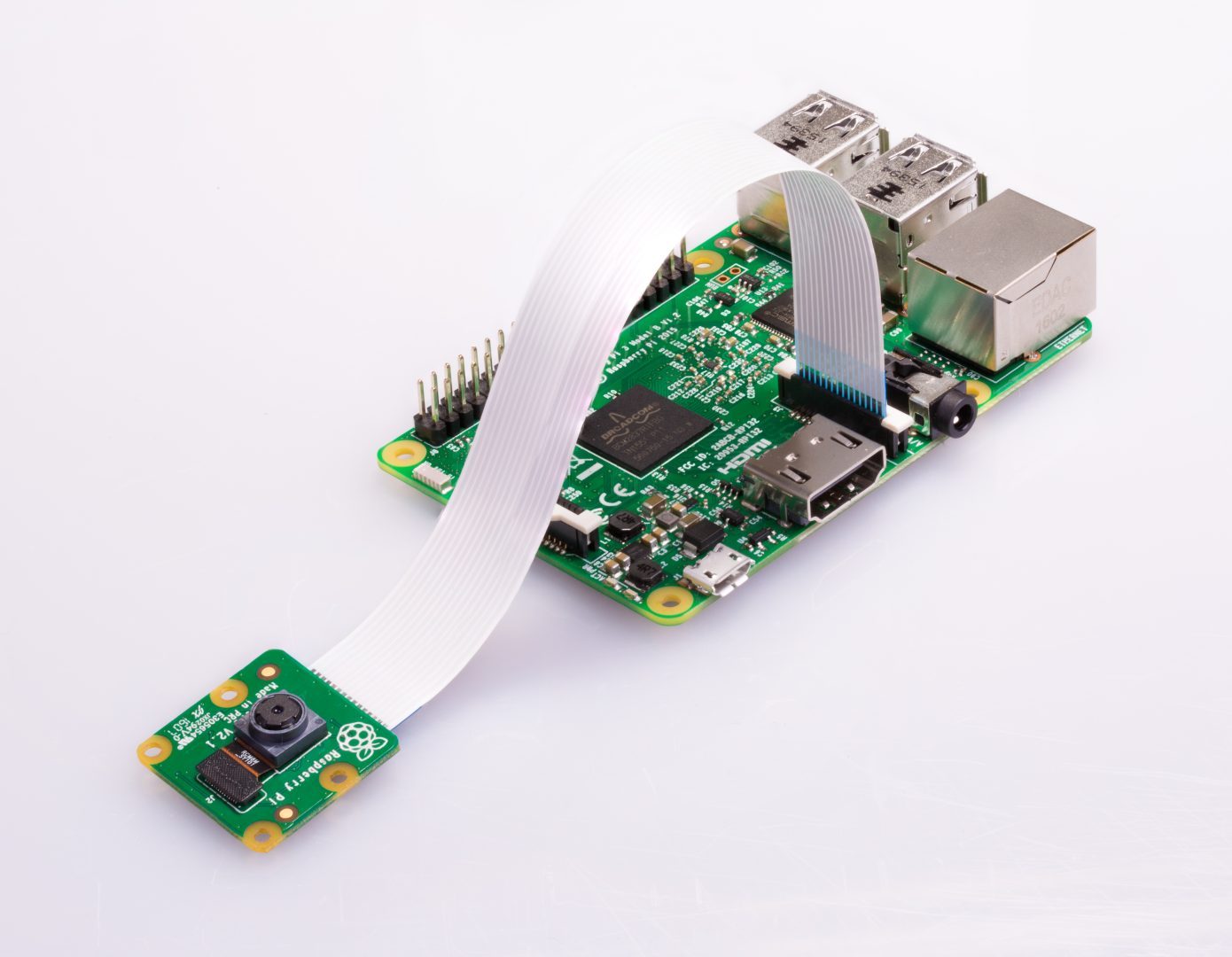
The camera module
That garden project taught the basics: I2C wiring, sensor addressing, and how much can go wrong with something as "simple" as an outdoor camera cable. When it was time to expand into acoustic bird detection with BirdNET-Pi, the same camera module became the eyes of the new station — small, cheap, and surprisingly capable once exposure and focus are dialed in.
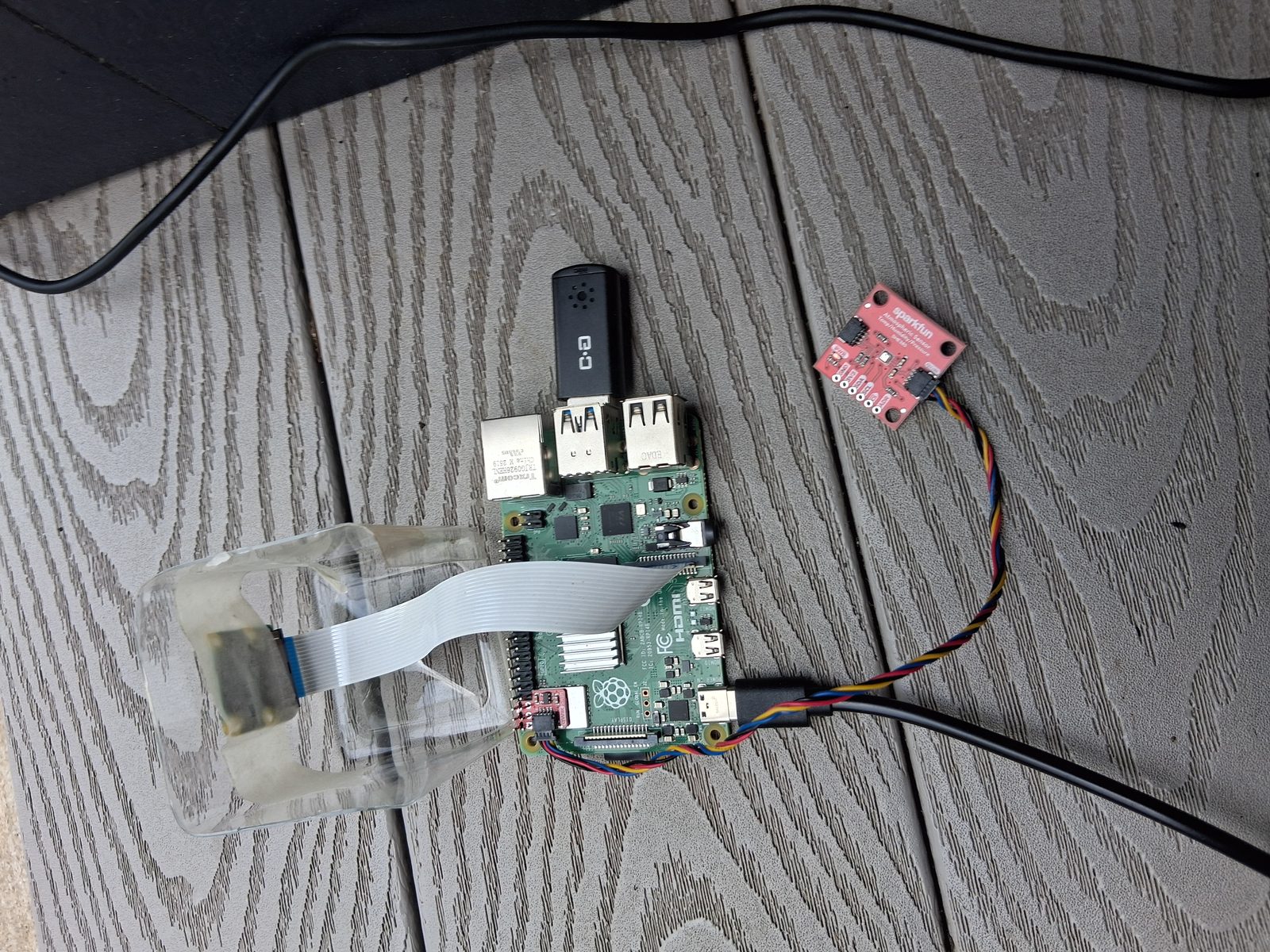
Building the enclosure
From there it's been a process of small refinements — better cable routing and sturdier mounting — but I'll be honest: it's still fragile and not weatherproof. I bring it in overnight if there's any chance of rain. The next planned upgrade is an Ecowitt WittBoy Weather Station (GW2001) for proper outdoor-rated environmental monitoring, which should let the whole setup live outside full-time.
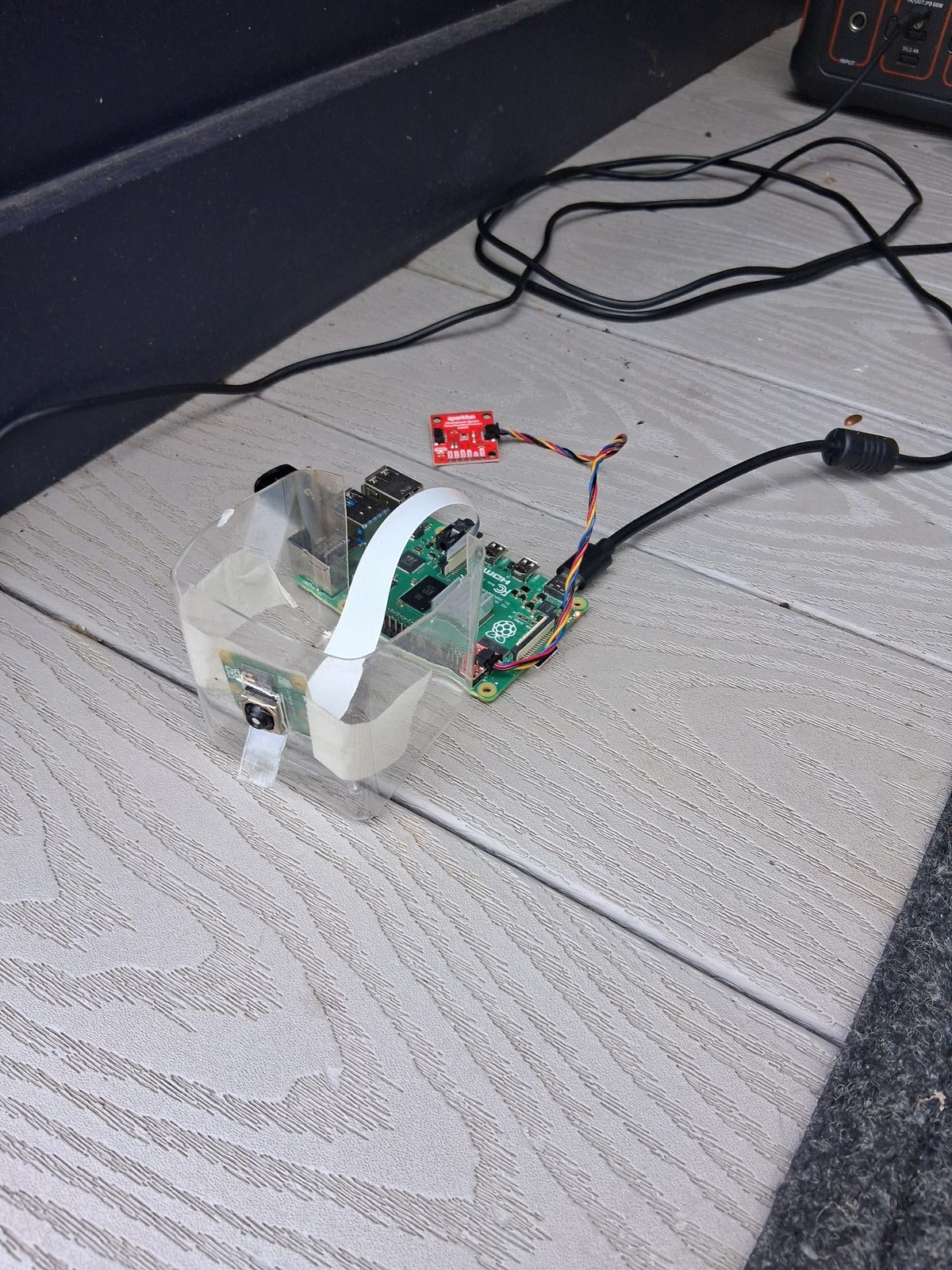
Where it stands today
What started as a way to keep tabs on a flower box has grown into a full acoustic monitoring station — tracking species activity, weather, and a live camera feed, all running quietly in the background year-round.
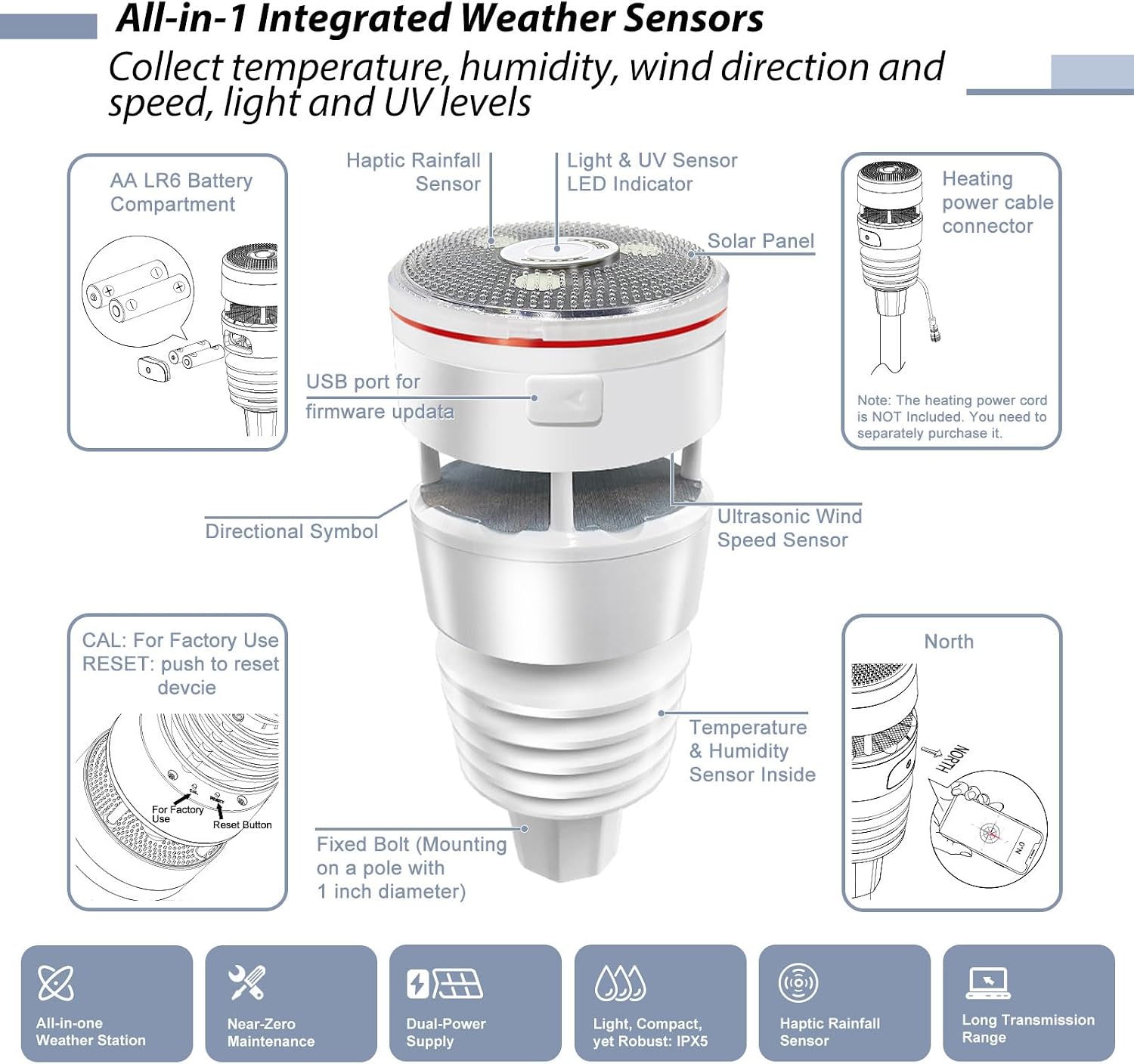
Upgrading the weather sensors
The planned WittBoy upgrade arrived — every environmental sensor except the mic and camera was swapped for this single outdoor-rated 7-in-1 unit, adding wind, rain, solar radiation, and UV to what the BME280 could ever measure.
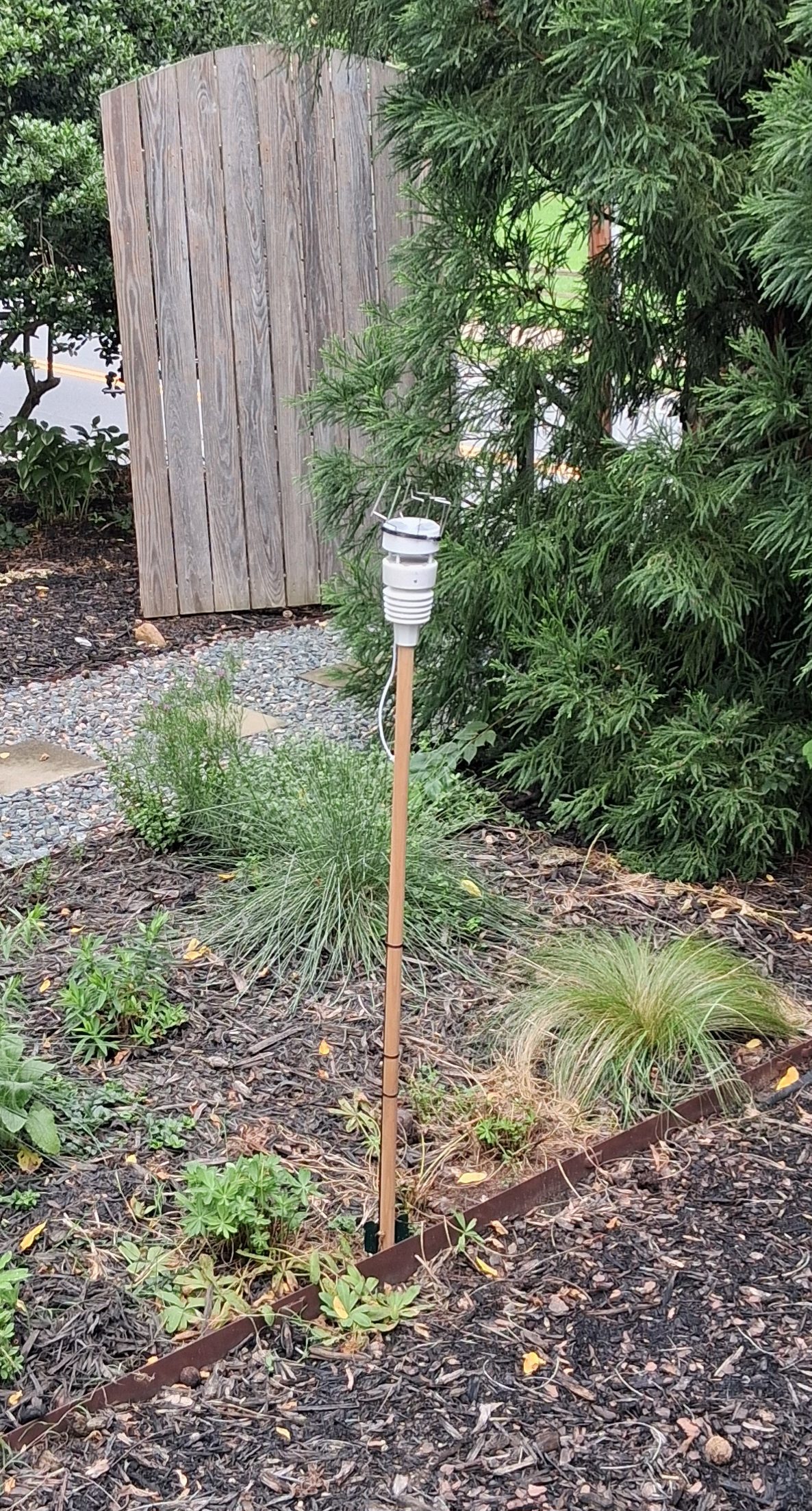
The WittBoy, mounted
Getting it up on a pole wasn't quite plug-and-play — I had to track down a 1-inch diameter dowel rod just to mount it properly in the yard.
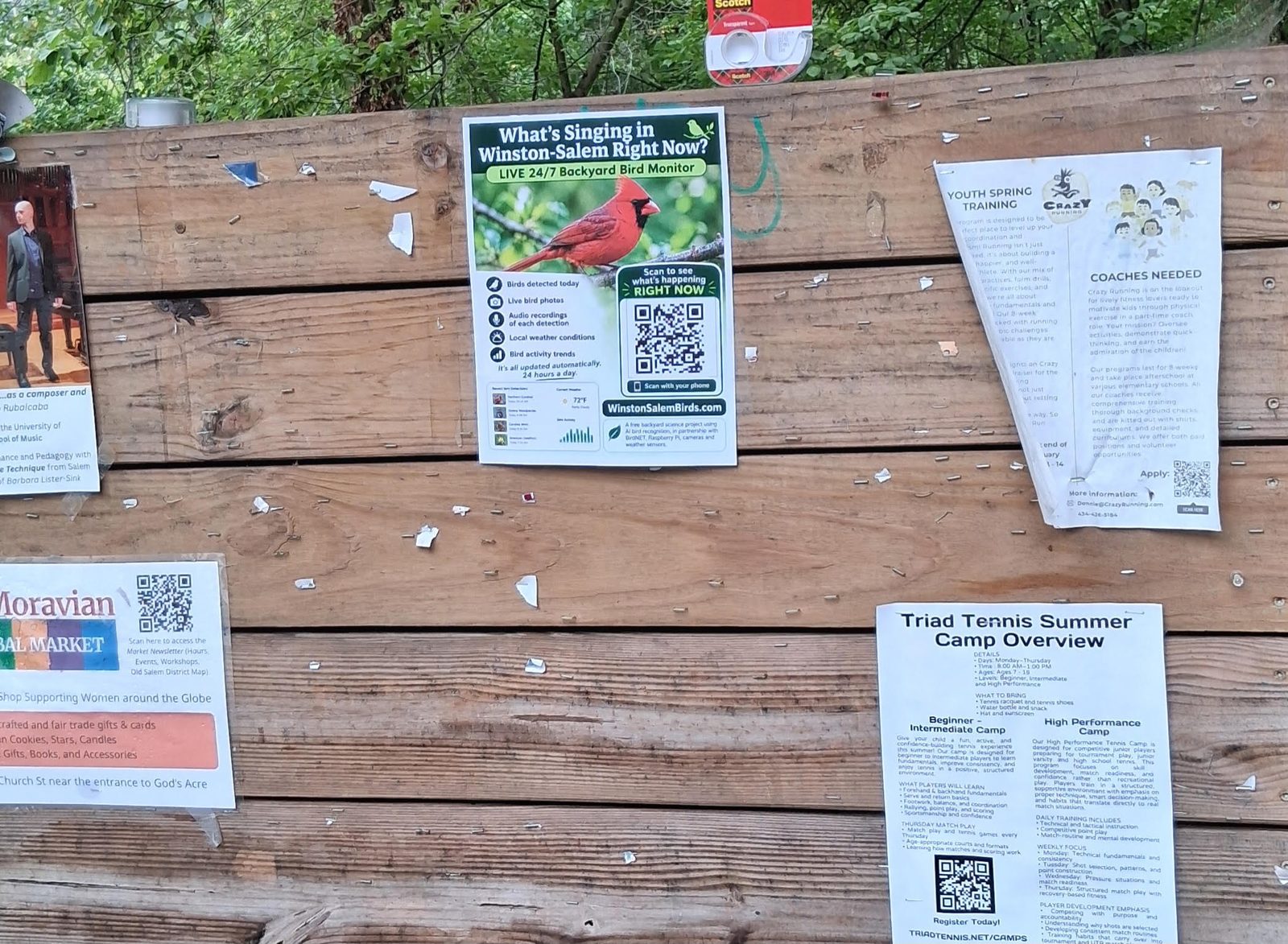
Old-fashioned marketing
QR codes aren't just for restaurant menus — I printed a few posters at UPS and put them up on community boards near Old Salem, hoping a few passersby would scan their way into a good bird rabbit hole.
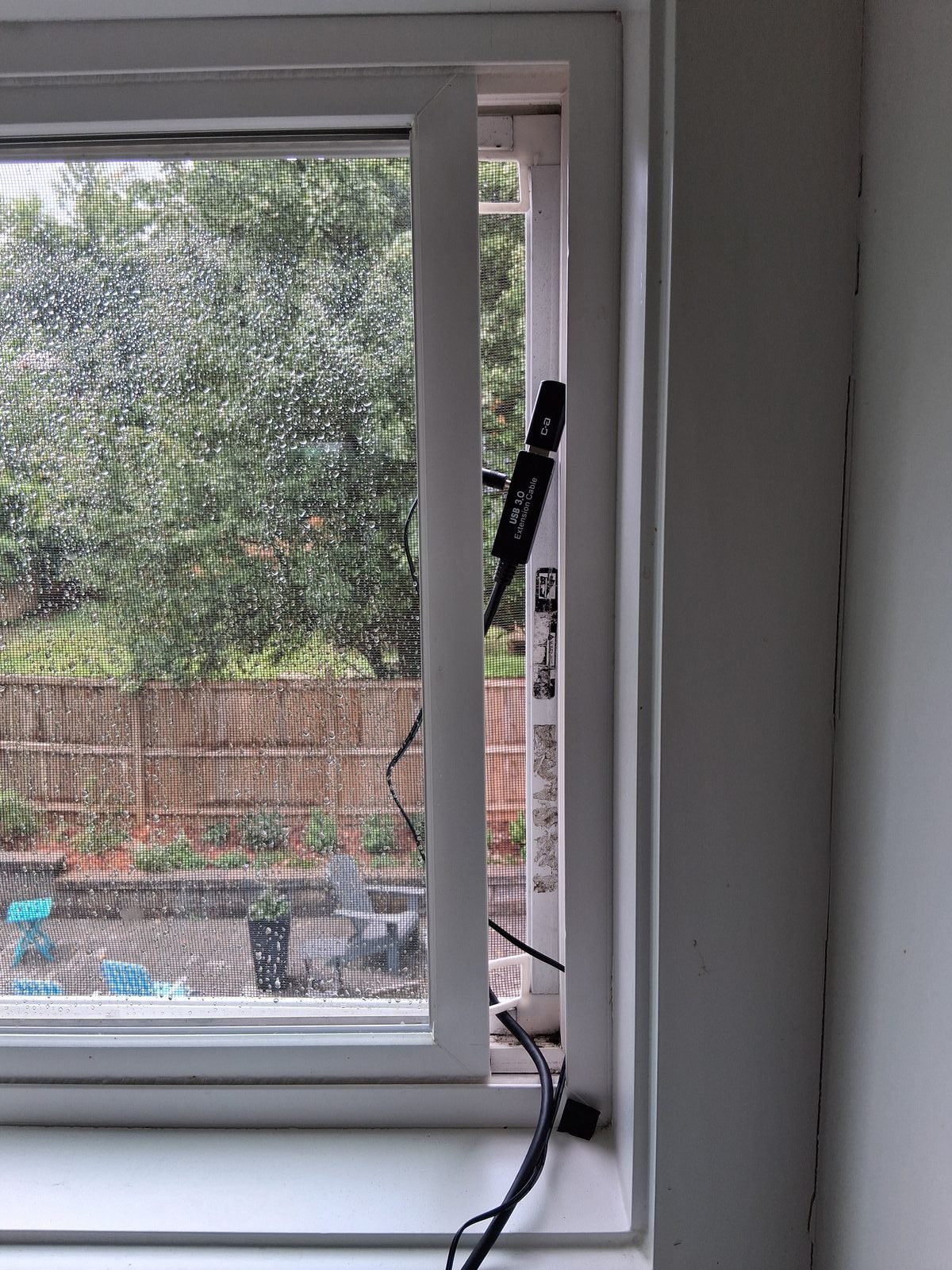
Chasing better audio: the USB mic
To get the mic closer to the birds, I ran a USB extension cable out through the kitchen window, wedged between the screen and the glass. It works, but it's exposed to the weather every time it rains — not exactly a permanent solution.
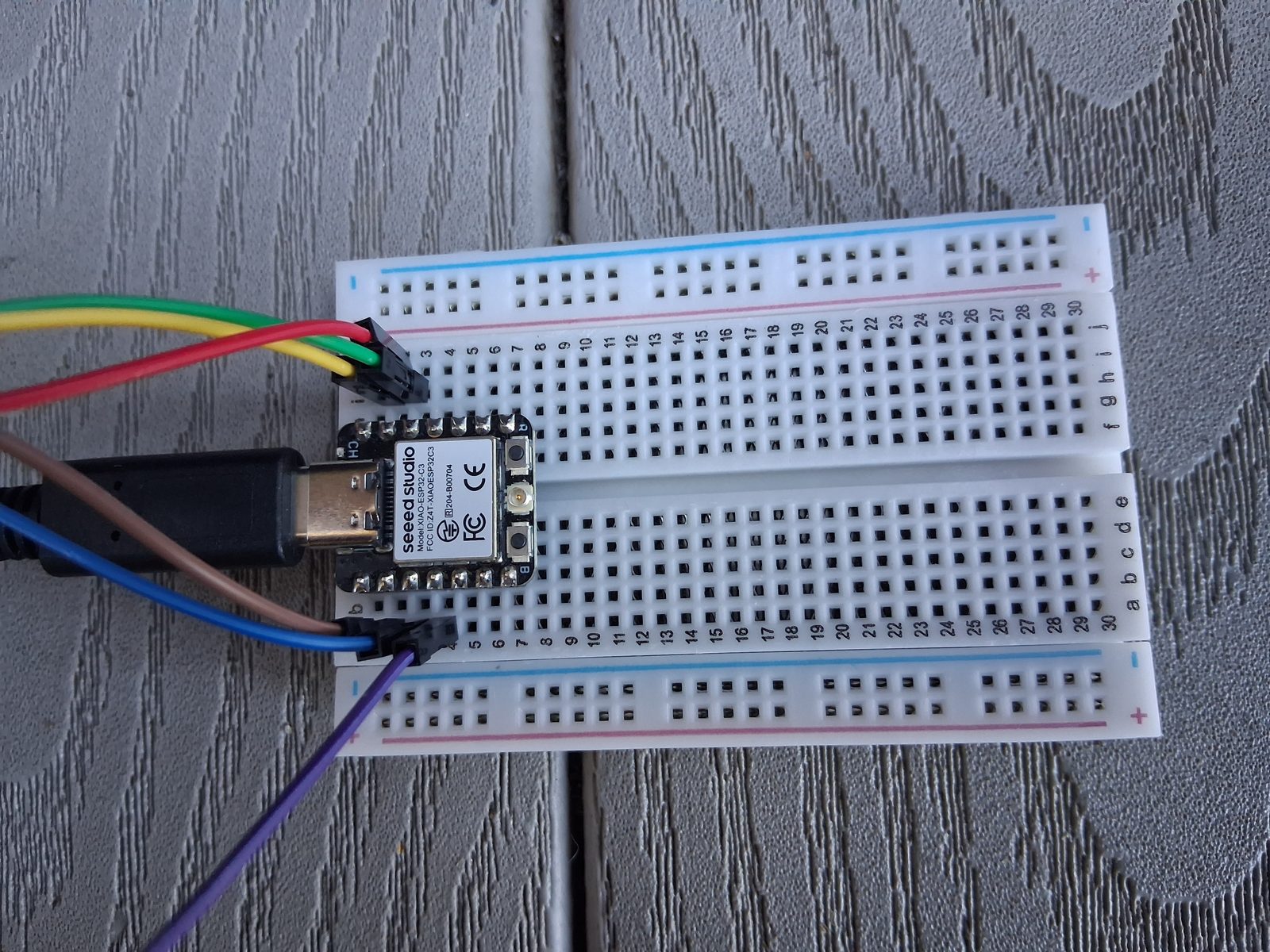
Going wireless: XIAO ESP32-C3 + INMP441
Looking to ditch the window cable, I built a wireless mic using a Seeed XIAO ESP32-C3 (not the C6) paired with an INMP441 omnidirectional microphone.
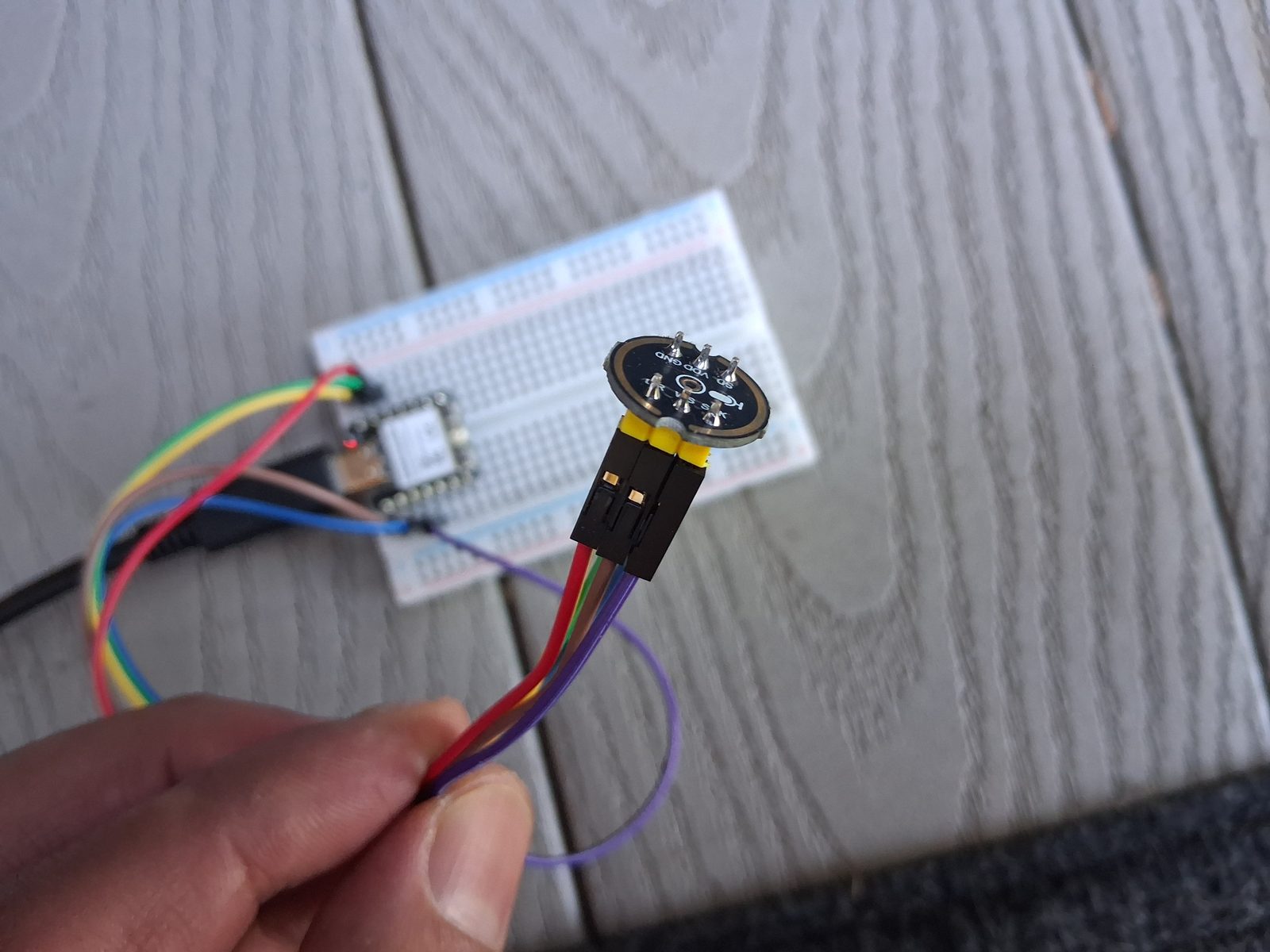
The overheating setback
It worked great for about two hours, then started overheating and auto-shutting down at 80°C. After five hours of troubleshooting and three more shutdowns, I reverted to the USB mic. I've since ordered the ESP32-C6 (the C3's bigger sibling) and still think a wireless solution is possible.
A peek at the code
People often ask how the live camera feed works. Here's a sanitized excerpt of the capture loop — it rotates through a few camera positions, writes each shot to a temp file, then atomically swaps it into place so the site never serves a half-written image.
def run_camera_loop():
    views = [
        "",  # default wide view
        "",  # default wide view
        "--roi X,Y,W,H",   # centered zoom
        "--roi X,Y,W,H",   # panned left
        "--roi X,Y,W,H",   # panned right
    ]
    i = 0
    while True:
        roi = views[i % len(views)]
        tmp_path = IMAGE_PATH + ".tmp"
        cmd = f"rpicam-still -n --width 1280 --height 720 -q 95 {roi} -o " + tmp_path
        result = subprocess.run(cmd, shell=True, capture_output=True,
                                 text=True, timeout=25)
        if result.returncode == 0 and os.path.getsize(tmp_path) > 0:
            os.replace(tmp_path, IMAGE_PATH)  # atomic swap, no partial reads
        i += 1
        time.sleep(30)
And the rolling 24-hour activity query behind the species chart:
SELECT Date || ' ' || substr(Time,1,2) || ':' ||
       printf('%02d', (CAST(substr(Time,4,2) AS INTEGER)/15)*15) AS block,
       COUNT(DISTINCT Com_Name)
FROM detections
WHERE datetime(Date || ' ' || Time) >= datetime('now', 'localtime', '-24 hours')
GROUP BY block
ORDER BY block ASC;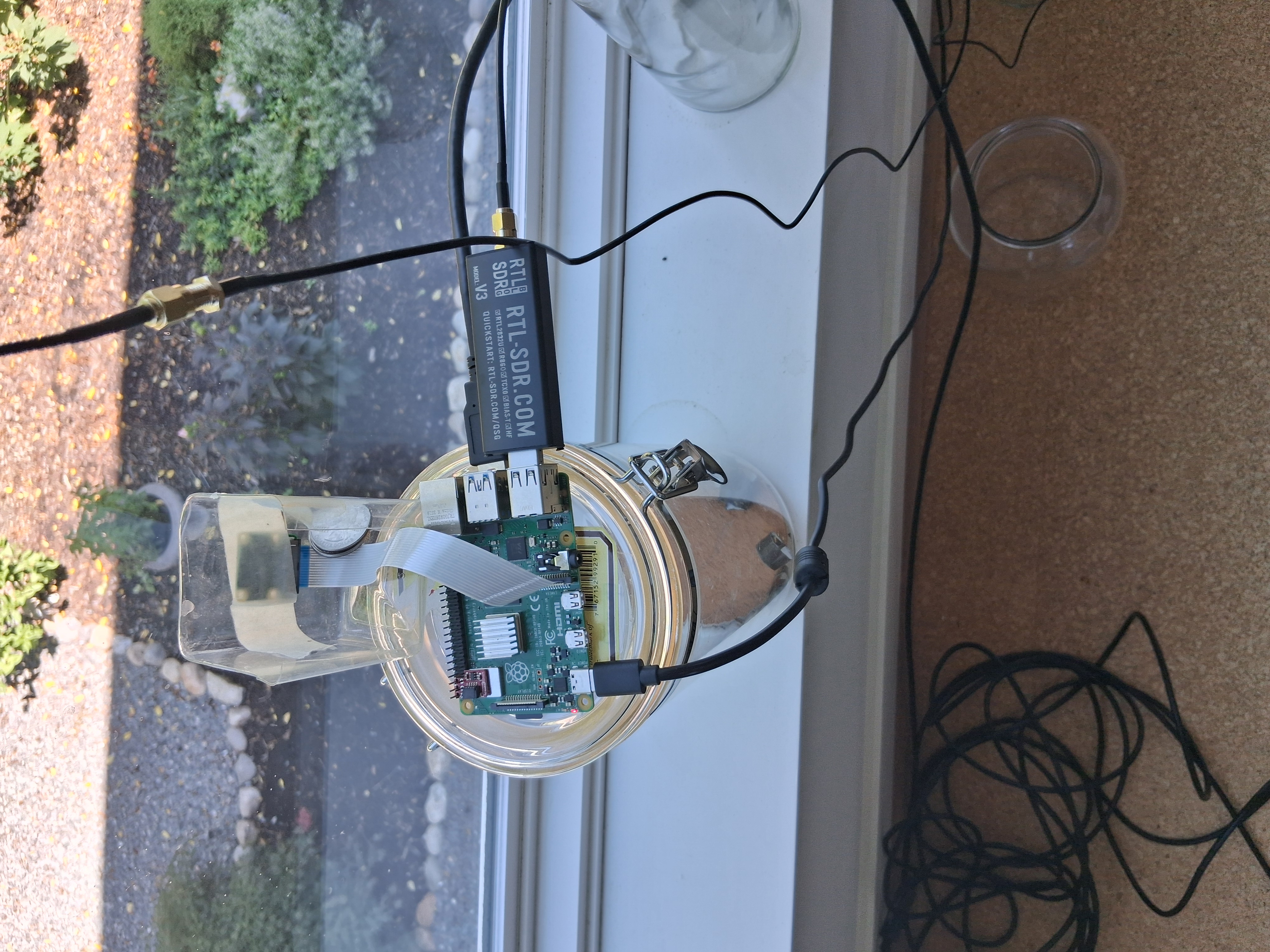
A side quest: watching planes instead of birds
The BirdNET-Pi hardware was already running full-time, so when an RTL-SDR dongle showed up cheap, it was hard to resist plugging it in just to see what else the same little Pi could listen to. It turned out that a $30 USB stick, an antenna, and readsb are enough to decode ADS-B broadcasts from aircraft passing overhead — the same signals air traffic control uses, just picked up from a backyard. It's a just-for-fun addition, not the point of the project, but the live Planes Detected radar was too neat a byproduct not to keep around.